Reposit Power
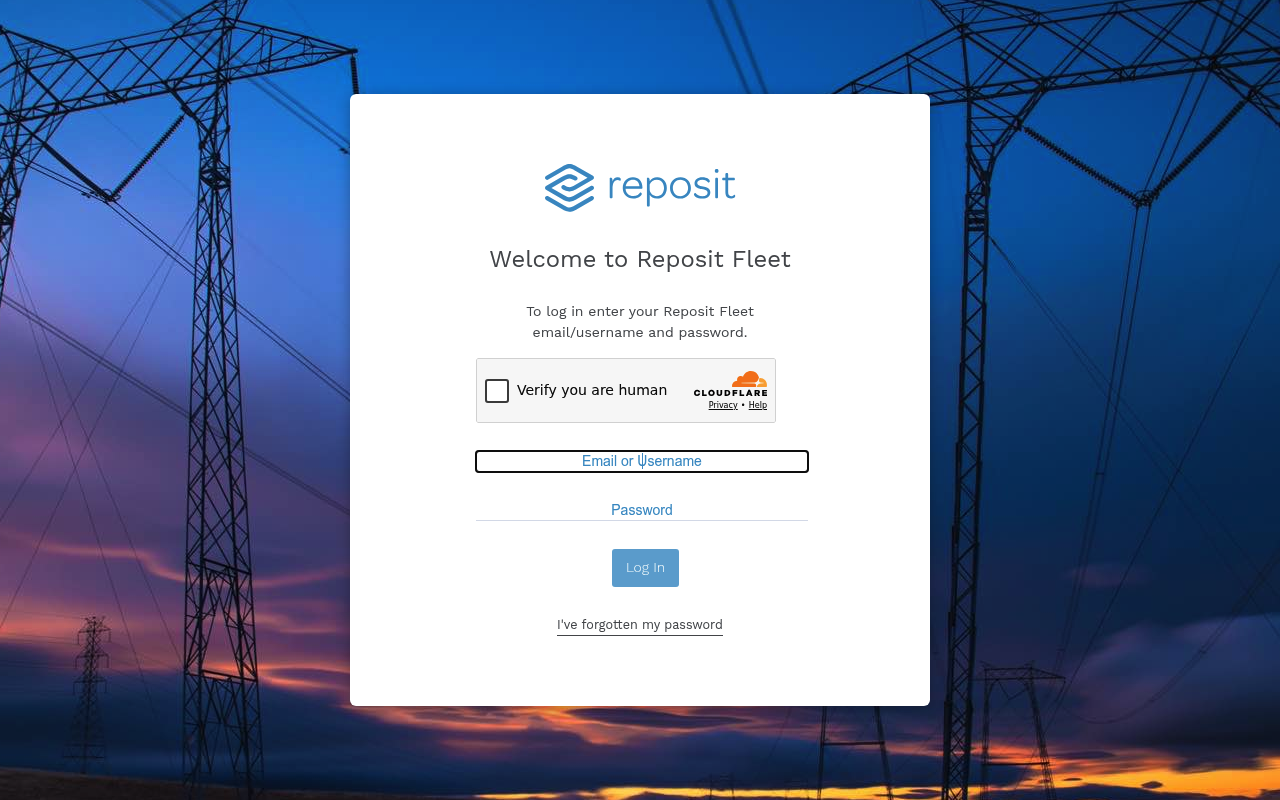
Reposit Power is an Australian home-energy technology company founded in 2012 and headquartered in Canberra, ACT, that builds the Reposit Controller — a local control device and cloud platform that sits on top of a household's solar, battery and meter and trades that stored energy into the National Electricity Market on the owner's behalf, paying the household back as GridCredits and underwriting the result with its No Bill guarantee. It is not a retailer, a distributor or a meter provider; it sits one layer above them in the Australian energy value chain as a distributed-energy-resource aggregator and virtual power plant operator, selling through a national network of solar installers and partnering with retailers and network businesses who dispatch and curtail its fleet. Its API posture is the opposite of the retailer pattern and needs stating plainly. Reposit is NOT a designated Consumer Data Right energy data holder — it does not appear among the 84 energy data-holder brands on the ACCC CDR Register, and it is not an accredited data recipient — so the Australian statutory energy mandate simply does not reach it, and the company publishes no CDR page at all. What it does publish, entirely voluntarily and with no obligation compelling it, is two real, downloadable, anonymously readable OpenAPI contracts behind two live Swagger UI pages: a Customer API covering a household's own solar, inverter, battery state-of-charge, house consumption, grid-meter power and earned GridCredits, and a much larger Market API used by Reposit Fleet that lets network and retailer organisations enumerate nodes, build power stations, pull fleet telemetry and issue export curtailments and dispatches against real homes. Every operational endpoint on both APIs returned 401 anonymously — the contracts are open, the data is not. There is no open market or grid data feed of any kind, no Green Button, no Consumer Data Standards conformance and no reference to IEEE 2030.5, CSIP-AUS, OpenADR or IEC CIM anywhere in either specification; the shape is proprietary, with the Australian National Meter Identifier as its only sector identifier.
Reposit Power publishes 11 API contracts indexed on the APIs.io network, including Auth API, Battery API, Curtailment API, and 8 more. Tagged areas include Energy, Australia, Utilities, Electricity, and Batteries.
Reposit Power’s developer surface includes authentication, engineering blog, pricing, FAQ, support, developer portal, API reference, and 25 more developer resources.
Kin Score
 Kin Score
How this is scored →
Kin Score
How this is scored →scored 2026-10-17 · rubric v0.24.0
APIs 11
Individual APIs this provider publishes, each with its own machine-readable definition.
Reposit Power Auth API
Authentication operations
Reposit Power Battery API
The battery API from Reposit Power — 1 operation(s) for battery.
Reposit Power Curtailment API
API end-points related to export curtailments.
Reposit Power Deployment API
Deployment operations
Reposit Power Dispatch API
API end-points related to export dispatches.
Reposit Power Inverter API
The inverter API from Reposit Power — 1 operation(s) for inverter.
Reposit Power Network API
Indicates this API end-point is available to network organisations.
Reposit Power Node API
API end-points related to deployments.
Reposit Power Station API
API end-points related to powerstations.
Reposit Power Solar API
The solar API from Reposit Power — 2 operation(s) for solar.
Reposit Power Users API
End-points relating to the management of your Reposit Fleet and marketapi users.
Scroll for all 11
Open Collections 2
Open, tool-agnostic API collections (OpenAPI-derived and Bruno).
Reposit Customer API - OpenAPI 3.0
OPEN COLLECTIONReposit Power Market API
OPEN COLLECTIONOpenAPI Overlays 2
Overlays applied on top of this provider's contracts. Each card says who wrote it: a document the provider publishes, or one API Evangelist derived or generated.
Reposit Power Customer Api Overlay
GENERATEDReposit Power Market Api Overlay
GENERATEDSecurity Posture 2
Authentication, domain security, vulnerability disclosure, and trust-center signals.
Agentic Access 1
Recommended x-agentic-access execution contracts for AI agents.
Resources
Get Started 2
Portal, sign-up, and the first successful call
Documentation 2
Reference material describing how the API behaves
Agent Surfaces 4
MCP servers, agent skills, and machine-readable catalogs
Design & Contract 5
Pagination, idempotency, versioning, errors, and events
Build 3
SDKs, sample code, and the tooling you integrate with
Access & Security 2
Authentication, authorization, and security posture
Operate 5
Status, limits, changes, and where to get help
Commercial 3
Pricing, plans, and the legal terms of use
Company 4
The organization behind the API
Other 2
Properties that don't map to a standard resource type
Source (apis.yml)
Work with this as data
Every provider here is available over the APIs.io API and to AI agents over MCP.