Mend
Mend is a HIPAA-compliant telehealth and patient engagement platform for mental and behavioral healthcare organizations, powering appointment scheduling, automated reminders, secure video visits, digital intake forms and consents, patient messaging, payments, and AI no-show prediction. Mend integrates with EHR and practice-management systems through a combination of HL7, SFTP, and an API served from api.mendfamily.com. That API exists and is used by Mend's own portal for session initialization and signaling, but its reference documentation is delivered through a login-gated customer knowledge base rather than a public developer portal, so Mend's programmatic surface is best characterized as partner- and customer-gated rather than openly self-serve.
Mend is listed with 4 APIs on the APIs.io network. Tagged areas include Telehealth, Patient Engagement, Behavioral Health, Scheduling, and Video Visits.
Mend’s developer surface includes engineering blog, documentation, and 4 more developer resources.
Kin Score
 Kin Score
How this is scored →
Kin Score
How this is scored →scored 2026-10-23 · rubric v0.25.0
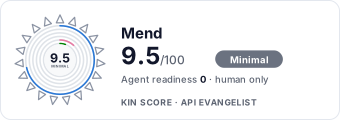 It updates itself when the score changes. Paste this where you link to your API docs:
<a href="https://apis.io/providers/mend-health/"><img src="https://apis.io/badge/mend-health/card.svg" alt="Mend on APIs.io — Kin Score by API Evangelist"></a>Other styles, a README pill and a shields.io endpoint are on the badge page.
APIs 4
Individual APIs this provider publishes. MODELED: a real API behind a partner or contract gate; there is no public reference, so API Evangelist drew its shape. NOT AN API: a product area with no API behind it, not counted.
Mend Appointments and Scheduling API
Logical grouping for creating and managing appointments, provider availability, patient self-scheduling, rescheduling, and automated appointment reminders. Mend documents these ...
MODELED, NO PUBLIC REFERENCEMend Patients API
Logical grouping for creating and syncing patient records, demographics, and contact details between Mend and an external EHR or practice-management system. Mend performs this s...
MODELED, NO PUBLIC REFERENCEMend Video Visits API
Logical grouping for initializing secure video telemedicine sessions and the virtual waiting room. The real-time media itself runs over WebRTC via Vonage TokBox and OpenTok rela...
MODELED, NO PUBLIC REFERENCEMend Digital Forms and Intake API
Logical grouping for assigning digital intake forms, consents, and assessments to patients and returning their completed responses to the practice. Mend describes these digital ...
MODELED, NO PUBLIC REFERENCEPricing Plans 1
Published pricing tiers and plan structures.
Security Posture 1
Authentication, domain security, vulnerability disclosure, and trust-center signals.
Resources
Documentation 1
Reference material describing how the API behaves
Access & Security 1
Authentication, authorization, and security posture
Commercial 1
Pricing, plans, and the legal terms of use
Company 3
The organization behind the API
Source (apis.yml)
Work with this as data
Every provider here is available over the APIs.io API and to AI agents over MCP.