Duplo
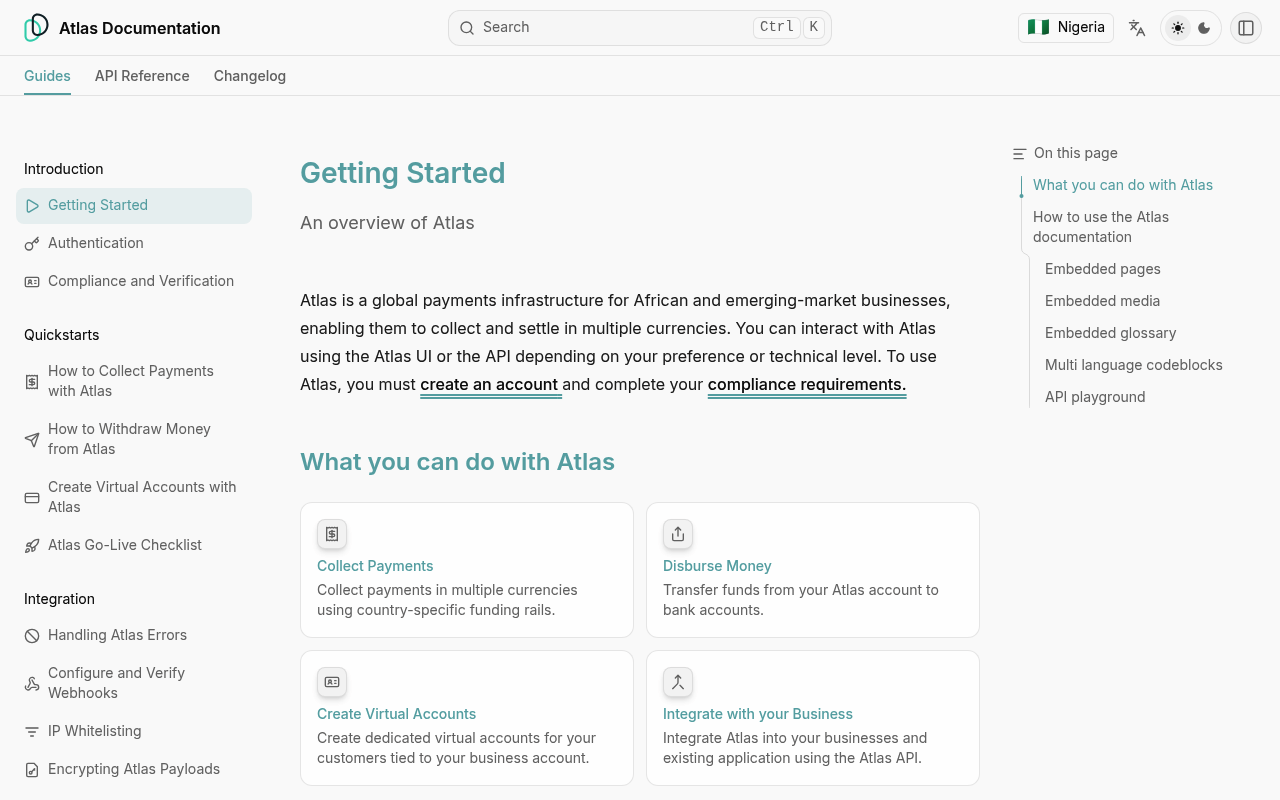
Duplo is a fintech company building the financial operating system for African and emerging-market businesses, headquartered in Lagos, Nigeria with operations in South Africa. Its platform unifies B2B payments and spend management: automated expense tracking with approval workflows, local and international (cross-border) payments, multi-currency global business accounts, NRS-compliant e-invoicing, direct debit, tax management, auto reconciliation, bulk payments to up to 500 recipients, and real-time financial reporting. For developers, Duplo exposes Atlas, a global payments API (base host atlas.tryduplo.com) covering collections/checkout, disbursements and bulk payouts, virtual accounts, payment links, exchange rates and FX swaps, wallet management, and e-invoicing, authenticated with Bearer API keys and delivering event notifications via webhooks. Duplo maintains PCI DSS, ISO 27001 and ISO 22301 certifications, is NDPR compliant, and operates under Central Bank of Nigeria oversight as a licensed Payment Service Solution Provider (PSSP).
Duplo is listed with 1 API on the APIs.io network. Tagged areas include Company, Fintech, Payments, B2B Payments, and Cross-Border Payments.
The Duplo catalog on APIs.io includes 1 event-driven AsyncAPI specification.
Duplo’s developer surface includes engineering blog, documentation, API reference, getting-started guide, support, pricing, signup flow, and 23 more developer resources.
Kin Score
 Kin Score
How this is scored →
Kin Score
How this is scored →scored 2026-10-17 · rubric v0.24.0
APIs 1
Individual APIs this provider publishes, each with its own machine-readable definition.
Atlas Payments API
Atlas is Duplo's global payments API for African and emerging-market businesses: collect payments (checkout, payment links, virtual accounts), disburse funds (single and bulk ba...
Event Specifications 1
AsyncAPI definitions for this provider's event-driven and streaming APIs.
Duplo Atlas Webhooks
ASYNCAPISecurity Posture 2
Authentication, domain security, vulnerability disclosure, and trust-center signals.
Resources
Get Started 5
Portal, sign-up, and the first successful call
Documentation 2
Reference material describing how the API behaves
Agent Surfaces 3
MCP servers, agent skills, and machine-readable catalogs
Design & Contract 6
Pagination, idempotency, versioning, errors, and events
Build 1
SDKs, sample code, and the tooling you integrate with
Access & Security 3
Authentication, authorization, and security posture
Operate 3
Status, limits, changes, and where to get help
Commercial 3
Pricing, plans, and the legal terms of use
Company 4
The organization behind the API
Source (apis.yml)
Work with this as data
Every provider here is available over the APIs.io API and to AI agents over MCP.